
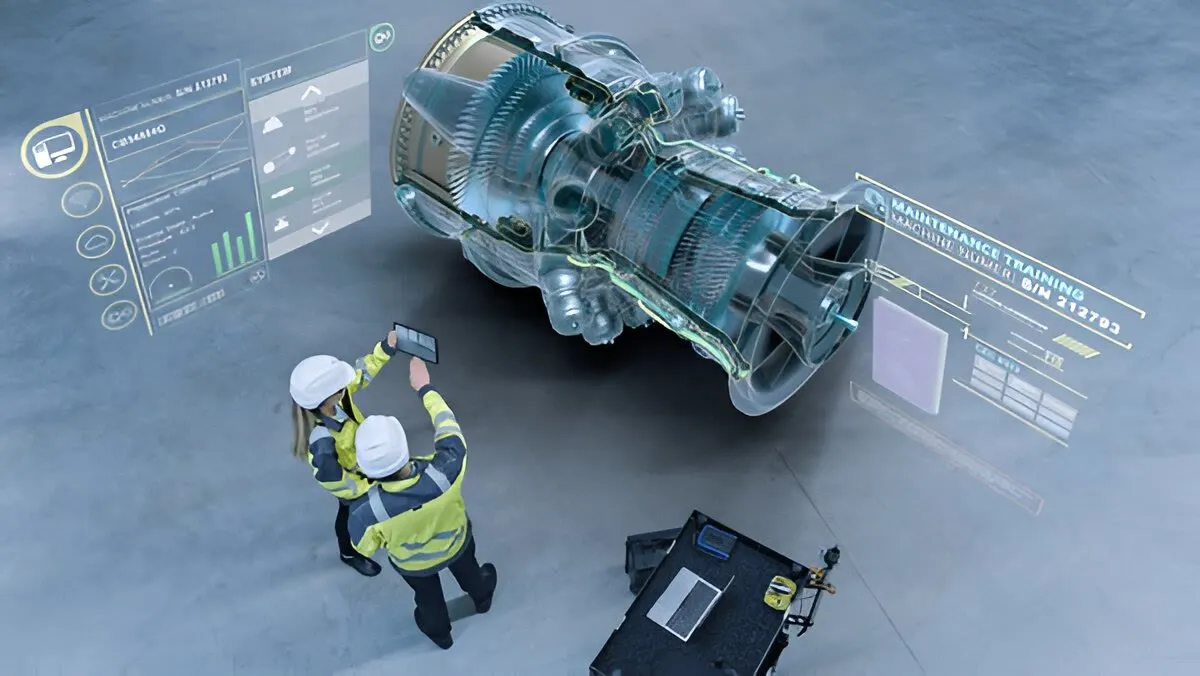
Digital twins are moving from pilot projects to plant budgets. Ken Research estimates the Indian digital twin market at about USD 1,020 million in 2026, growing at over 33% a year to 2031.
The question plant heads ask first is simple: what will it cost? The honest answer is that it depends on a small number of choices, most of which you control. Here is what you are paying for, line by line.
1. Scoping
Deciding which asset, which failure modes and which decisions the twin should support. Good scoping is the cheapest way to save money later.
2. Sensors and data
Often the biggest surprise, in both directions. Many plants already measure more than they use. A twin that connects to existing sensors costs far less than one that needs new instrumentation.
3. Connectivity and edge computing
Getting data from the machine to the twin: gateways, networks and on-site computing. Plants with patchy connectivity or strict security rules need edge hardware that keeps working on-site.
4. The 3D model
A to-scale model of the asset or plant. Existing CAD or BIM files reduce the work; modelling from scratch or from scans adds to it. Detail should match the decisions the twin supports.
5. Integration
Linking the twin to control systems, maintenance software and historians. Every extra system adds effort, so start with the ones the first use case needs.
6. Analytics
Simple threshold alerts are inexpensive. Predictive models need history, data work and tuning. Add them once the live twin is proving its value.
7. Hosting
On-premise deployment keeps data inside the plant and suits sensitive operations. Cloud hosting shifts cost to a running subscription. The choice affects both budget and security.
8. People
Operators and maintenance teams need training to use the twin. Without it, the best twin becomes another unused dashboard.
9. Running costs
Updates, support and keeping the model in step with the plant as equipment changes.
How to keep the first budget small
- Start with one critical asset whose failure stops production.
- Use the sensors you already have before buying new ones.
- Go live before going predictive: a live twin delivers value on its own.
- Measure the result against downtime and repair costs, then scale.
How Maquette-XR keeps costs down
Maquette-XR connects to your existing IoT hardware and sensors, with no rip-and-replace, builds a to-scale 3D replica and streams 150+ live parameters into it. It can run on-premise with edge computing, and teams can run what-if scenarios before committing capital or downtime.
Want a scoped estimate for one of your assets? Book a technical call or read about digital twins for manufacturing and energy.