
Notes from the field.
Deployments, product updates and what we are learning about training with VR, simulators and digital twins.
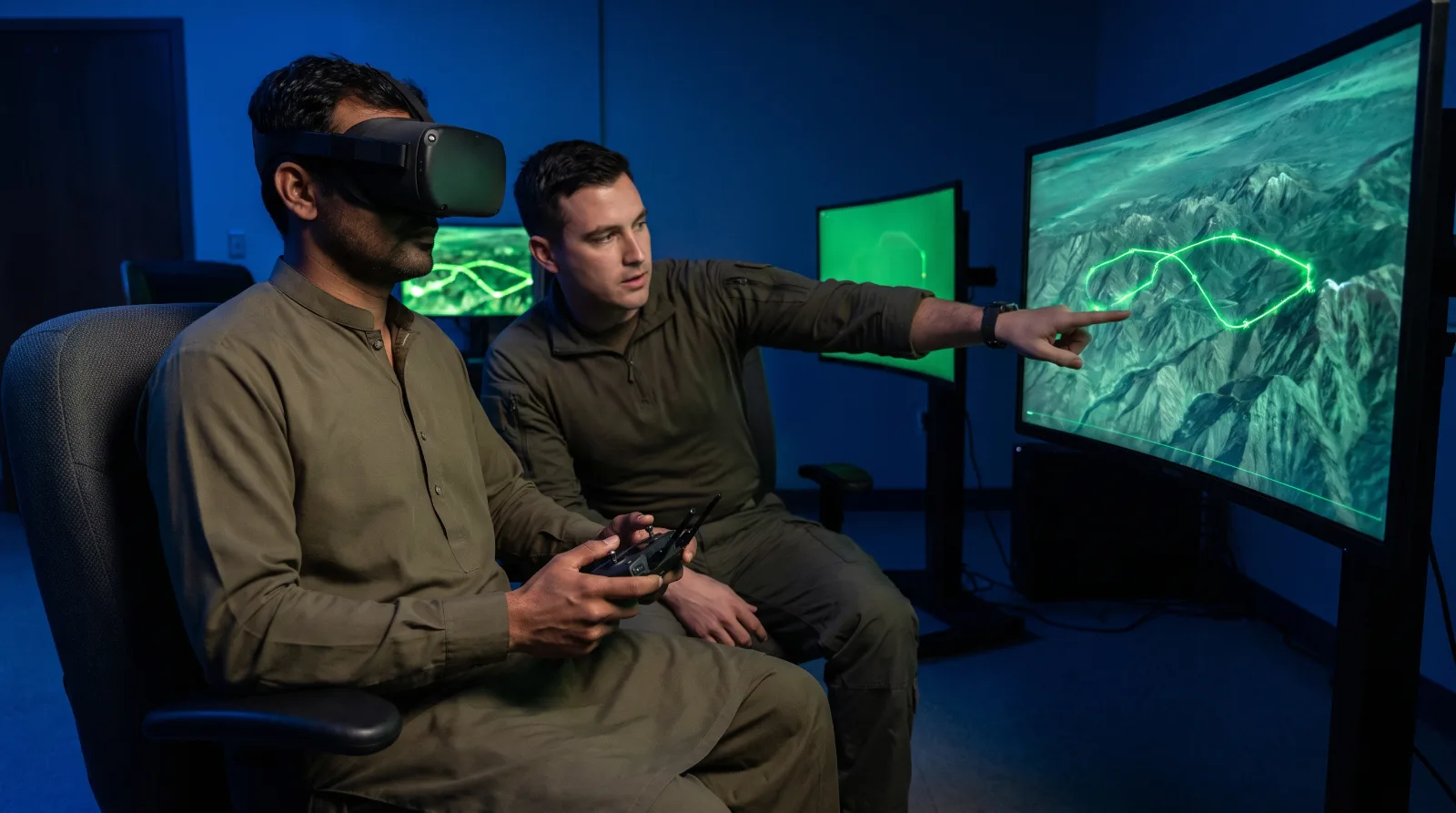
How Many Simulator Hours Before a Drone Pilot Flies?
The British Army asks for 30 simulator hours before its drone operator course. What that means for drone training at scale, and how to set your own number.
Read the article →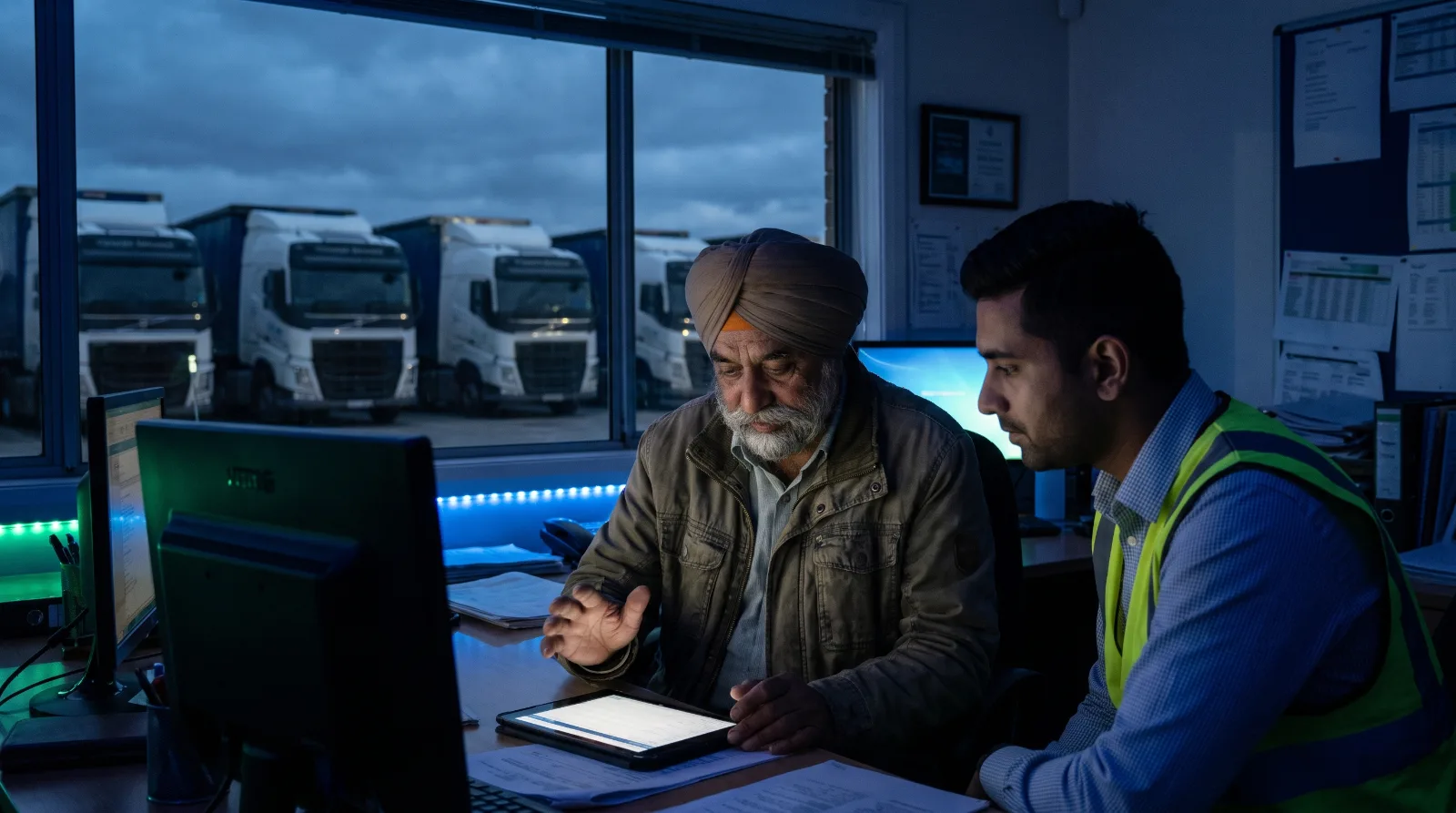
Five Challans a Year Can Cost Your Driver the Licence
An amended CMVR rule lets authorities act on the licence of any driver with five or more traffic offences in a year. What fleet operators should do about it.
Read the article →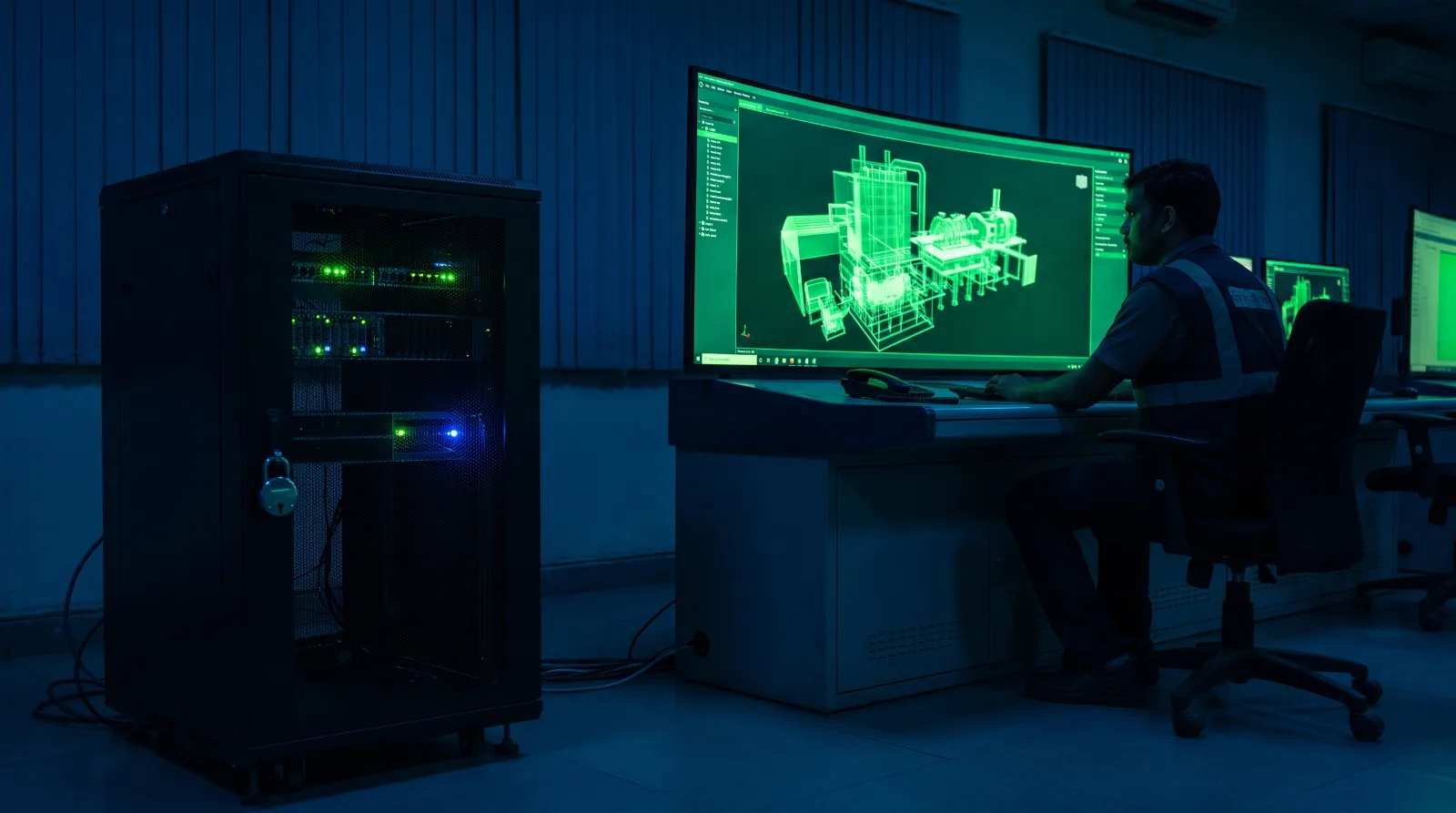
CEA Cyber Security Rules 2026: The Case for On-Premise Twins
New CEA rules require power utilities to isolate critical systems from the internet by April 2027. What that means for digital twins and plant analytics.
Read the article →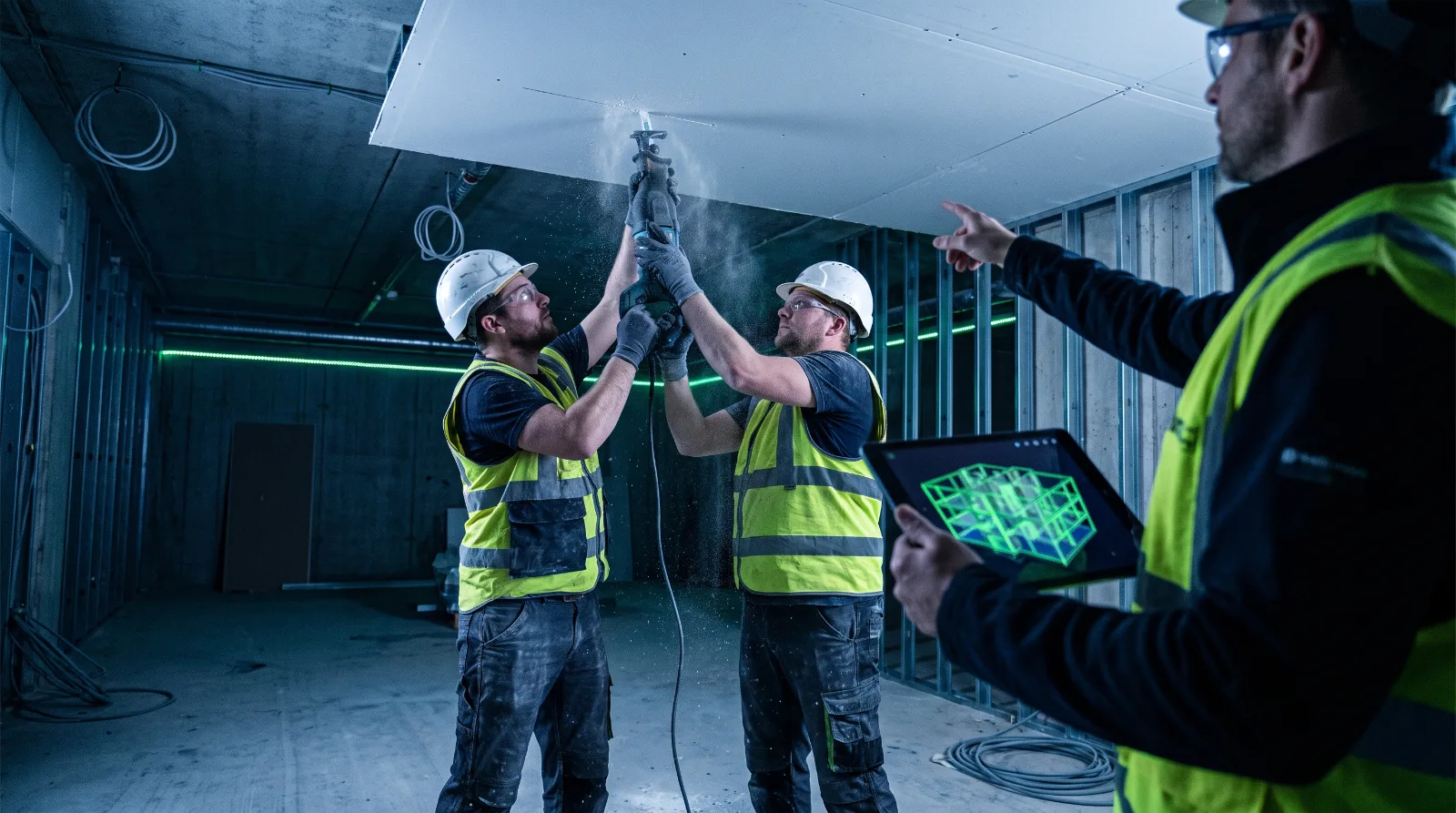
What Field Rework Really Costs, and How to Catch It Earlier
A 2026 study found field rework costs were under-reported by 300%. Why rework is bigger than it looks, and how checking against the model on site helps.
Read the article →
HoloLens 2 and Dynamics 365 Guides End: A Migration Plan
Microsoft ends support for Dynamics 365 Guides and Remote Assist on 31 December 2026. A practical migration plan for teams that depend on them.
Read the article →
Year of Networking: What It Means for Army Command Centres
The Indian Army named 2026 its Year of Networking and Data Centricity. What a data-centric force needs from command centres, and where virtual spaces help.
Read the article →
Commercial Driver Rating Index: How Fleets Can Prepare
The government is exploring a skill and behaviour rating for truck and bus drivers. What it could measure, and how operators can get ahead of it now.
Read the article →
Factory Digital Twins in India: Lessons From Gandhidham
A digital twin at Unilever's Gandhidham site helped cut quality defects by 30%. What Indian manufacturers can take from it for their own plants.
Read the article →
Hyderabad Metro Phase II: Catching Clashes Before Rework
The Centre has approved in principle a 162 km Hyderabad Metro Phase II. In a dense city, catching clashes on site early will decide cost and schedule.
Read the article →
DPDP Rules and VR Training Data: What Employers Must Log
India's DPDP Rules apply in phases through May 2027. VR training and simulators collect personal data about trainees. What employers should check now.
Read the article →
ADAS Mandate for Trucks and Buses: What Drivers Must Learn
New Indian rules make emergency braking, stability control and driver-warning systems compulsory on new trucks and buses. What changes for driver training.
Read the article →
DFPDS 2026: What Command-Level Drone Buying Means for Training
DFPDS 2026 lets field commanders buy drones worth up to Rs 5 crore each from their own budgets. Drones will now arrive faster. Pilot training has to keep pace.
Read the article →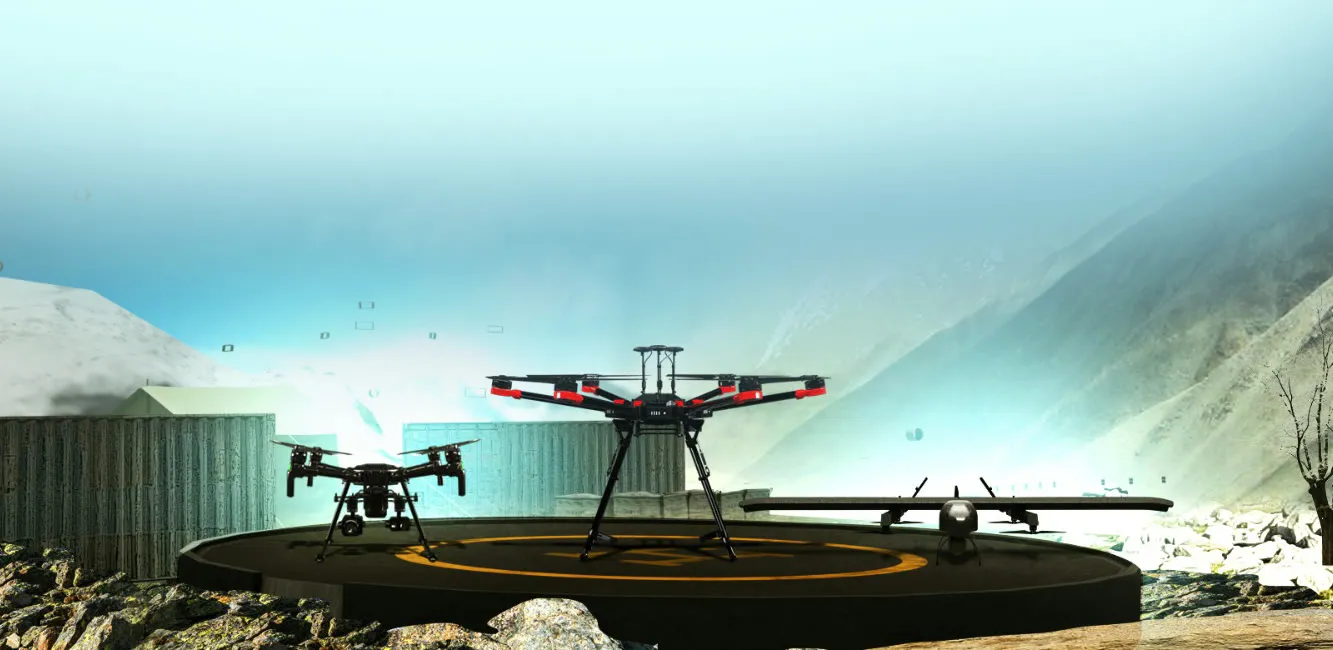
Counter-Drone Training: How Crews Rehearse Before Contact
India is buying counter-drone systems at scale. Detecting and stopping a drone takes a trained crew as much as good equipment. How that training can be built.
Read the article →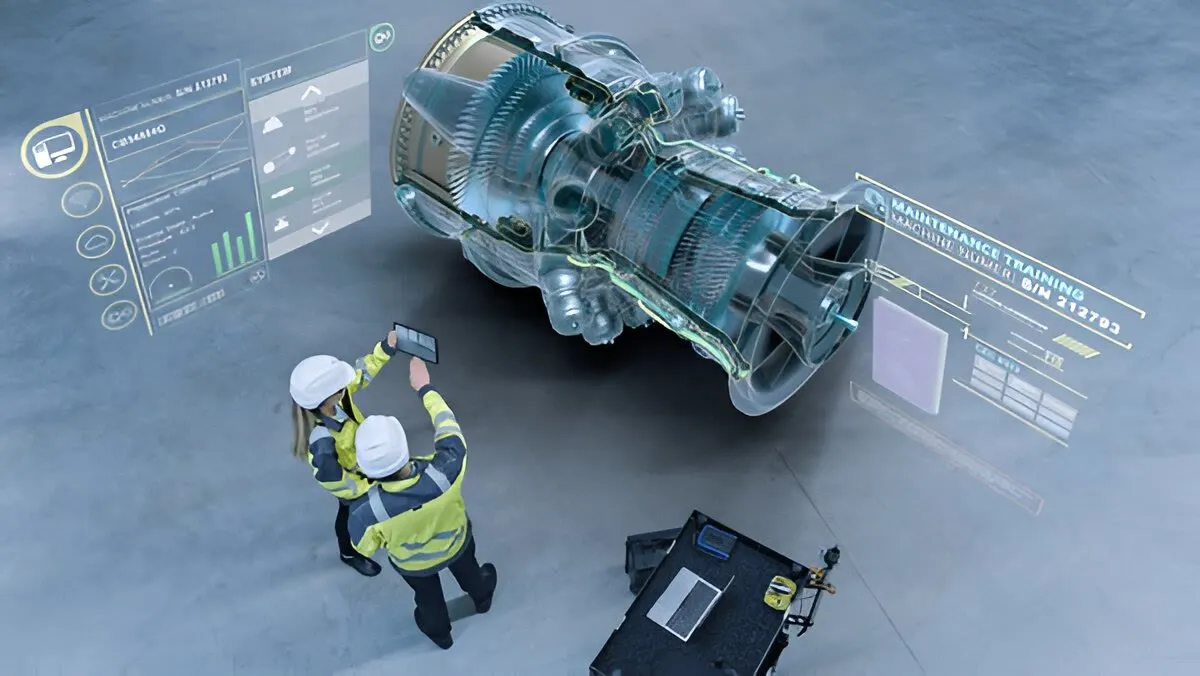
What Drives the Cost of a Digital Twin for an Indian Plant
Digital twin budgets vary widely. The cost depends on a handful of choices you can control. A line-by-line guide to what you pay for, and how to start small.
Read the article →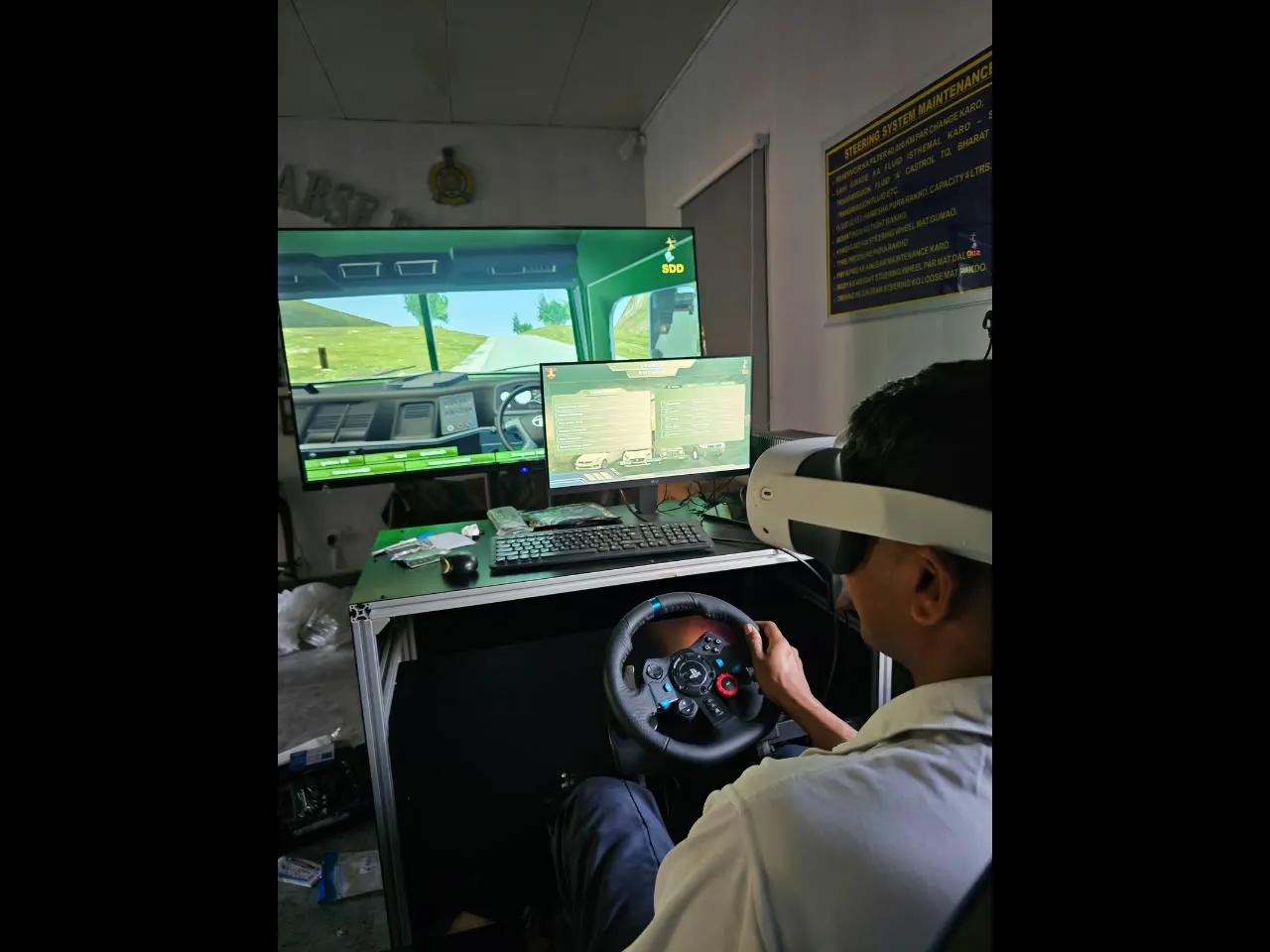
Driving Simulators for Driving Schools: What Drives the Price
Accredited driver training centres in India must have simulators. What separates one simulator from another, and what actually drives the price, before you buy.
Read the article →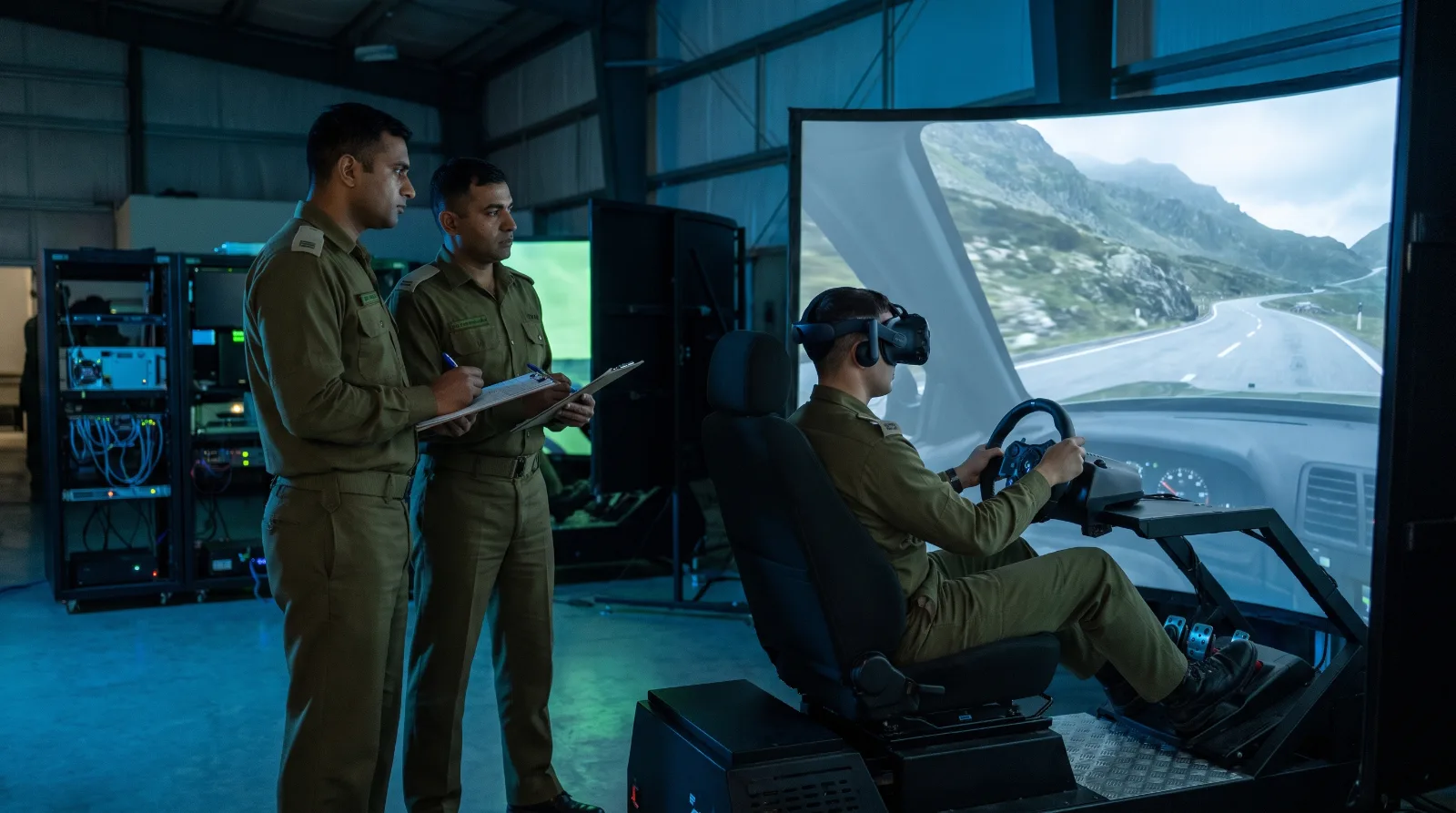
How to Evaluate a Military Driving Simulator: 10 Questions to Ask
Ten questions to ask before buying a driving simulator for military or fleet training, to tell a system that trains drivers from one that only demos well.
Read the article →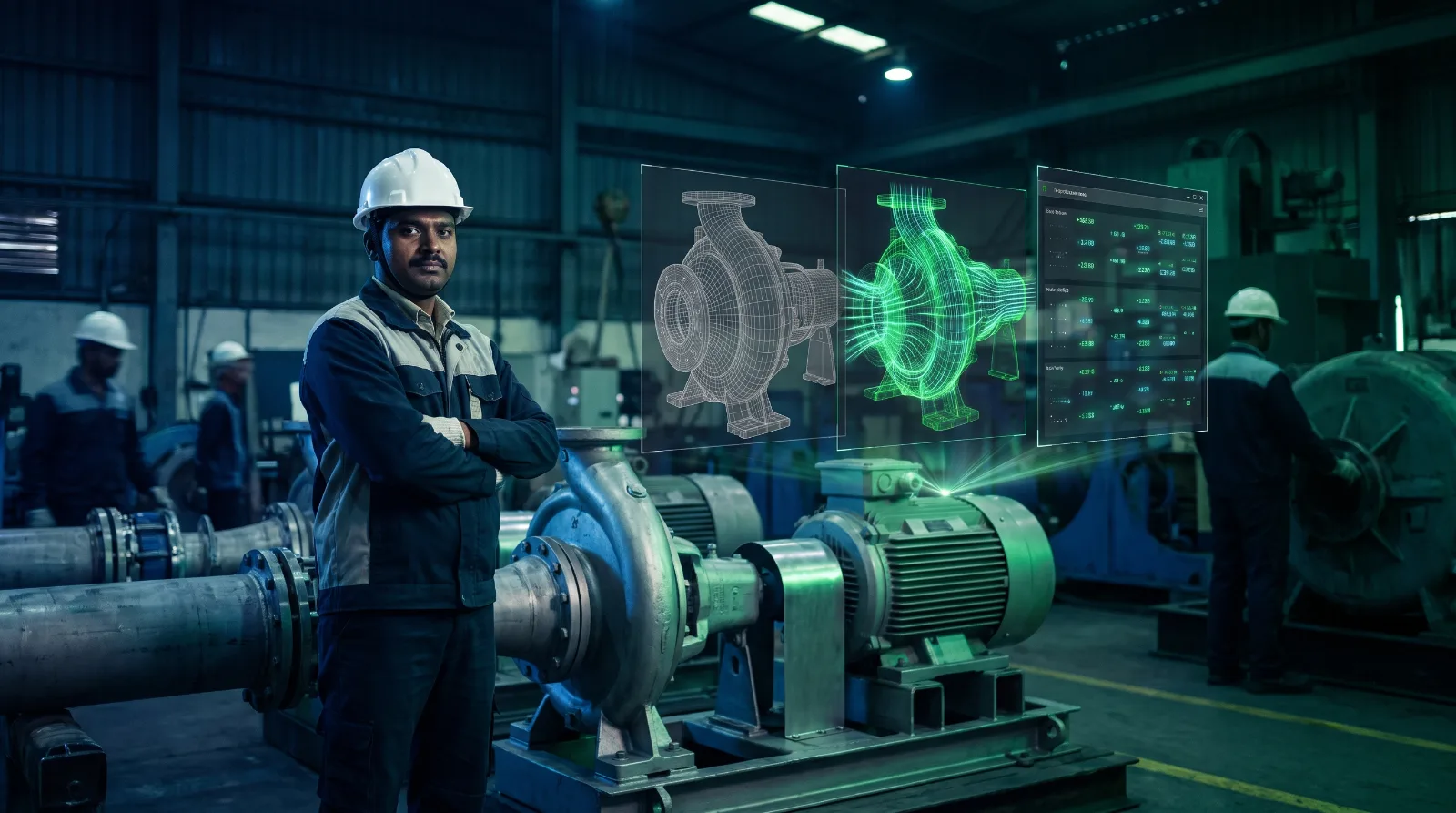
Digital Twin vs Simulation vs 3D Model: What Is the Difference?
The three terms are often used as if they mean the same thing. They do not, and the difference decides what a project delivers. A plain guide for plant teams.
Read the article →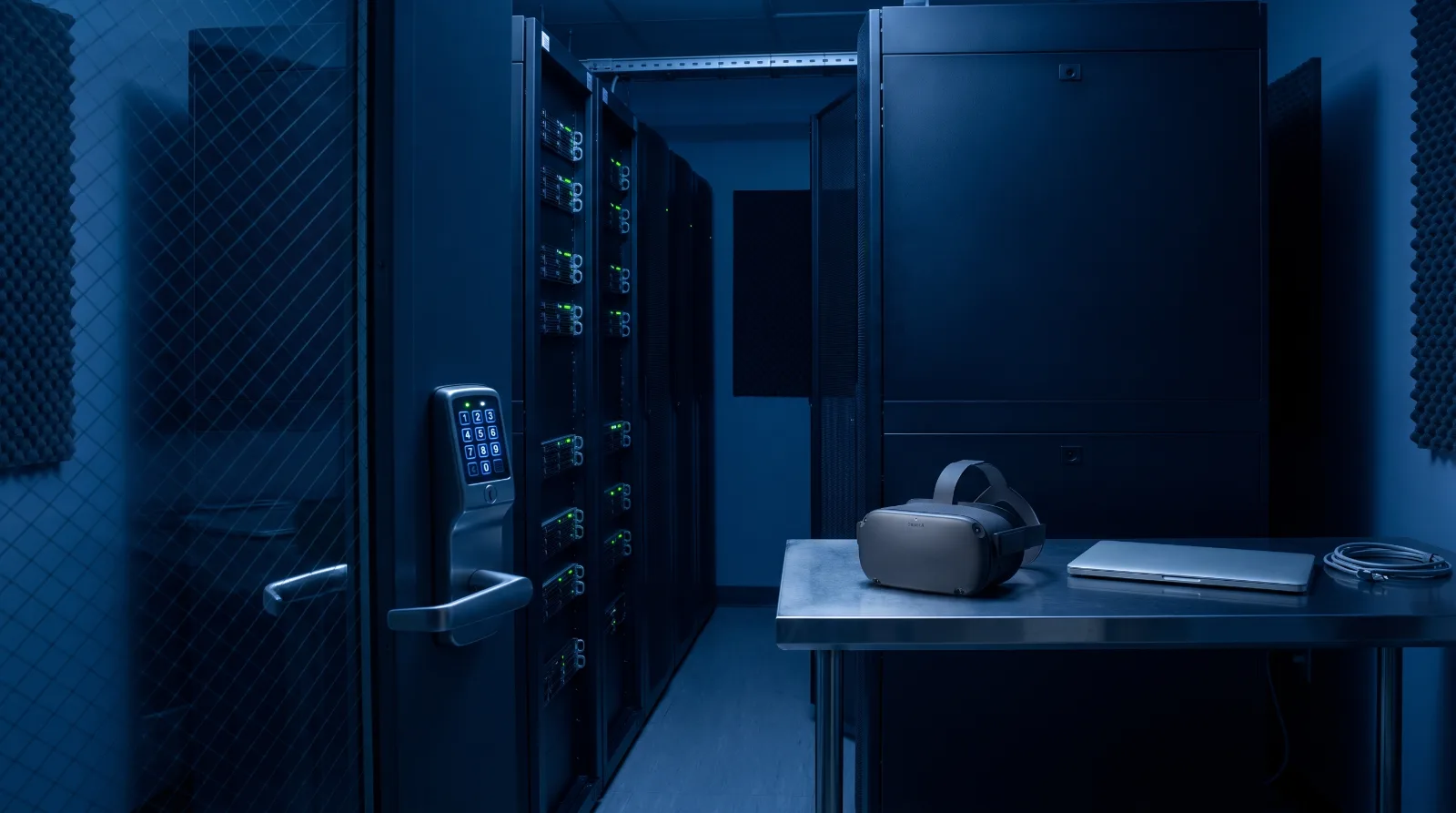
Secure XR for Defence: Air-Gapped and On-Premise by Design
Defence buyers ask hard questions about where training data lives. Why air-gapped, on-premise XR matters, and the questions to ask any vendor.
Read the article →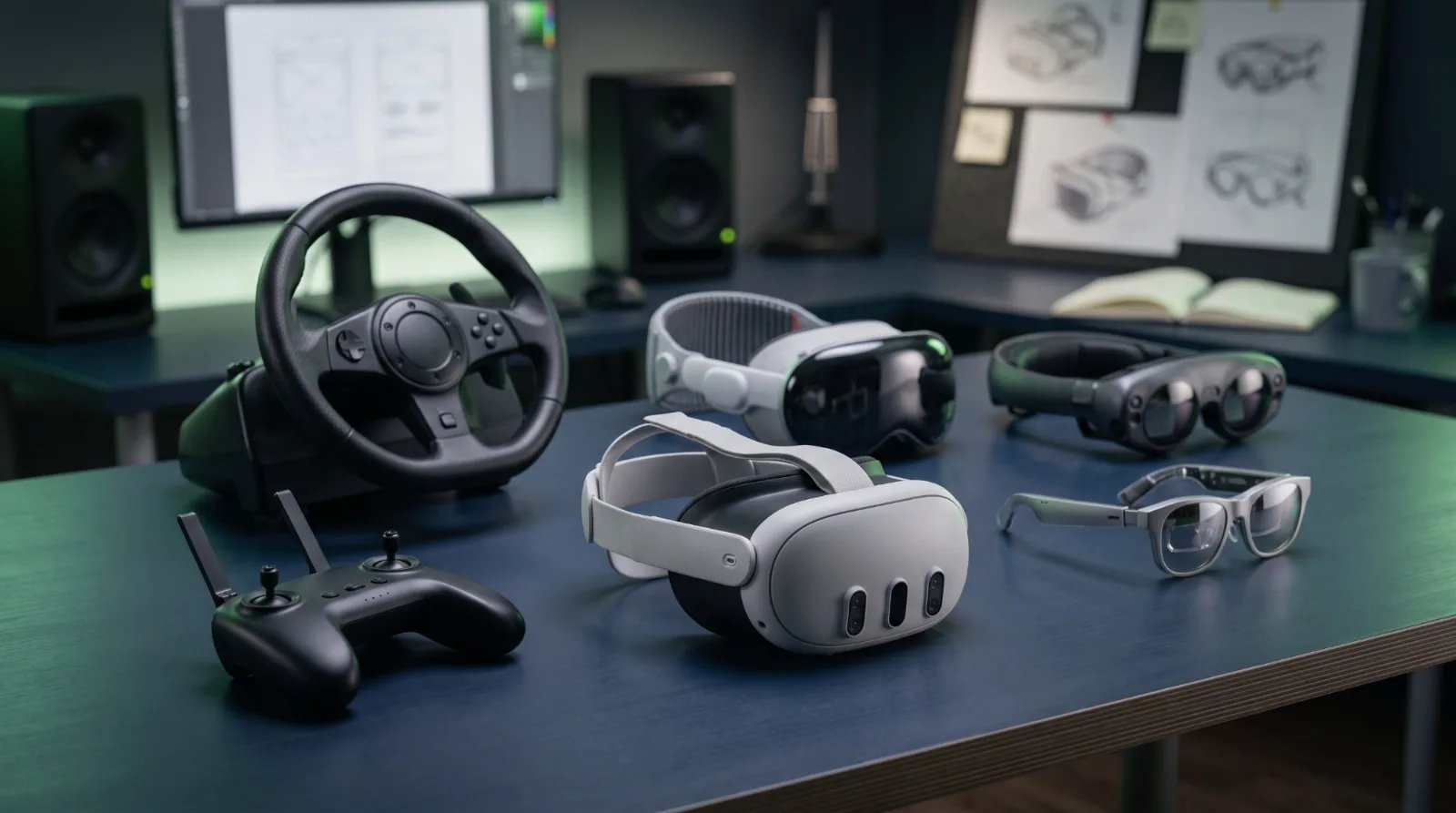
Choosing XR Headsets for Enterprise Training in 2026
Android XR, Meta Quest, Apple Vision Pro and see-through AR all compete for enterprise budgets. How to choose hardware for training, not for demos.
Read the article →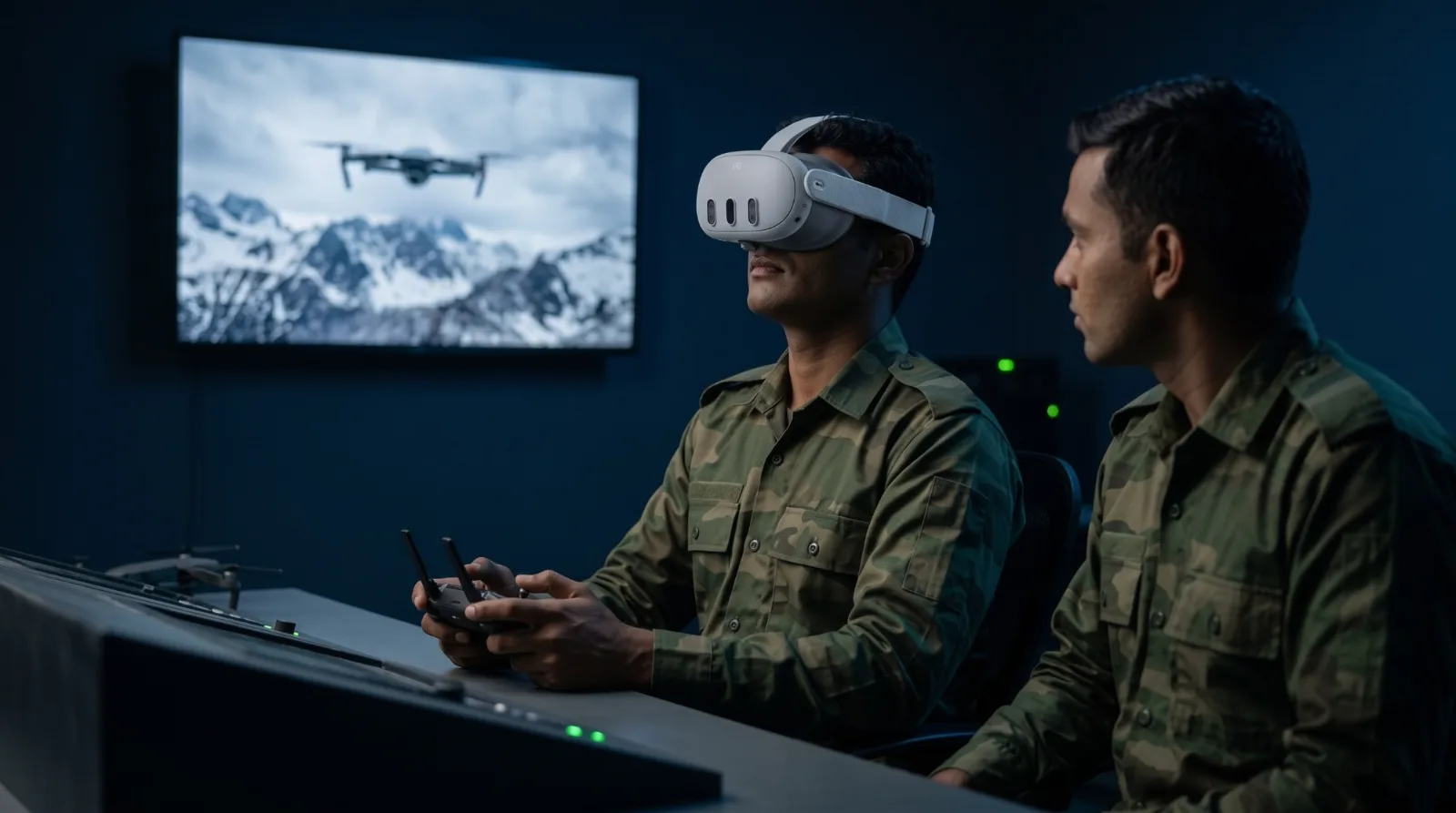
Every Soldier a Drone Operator: How to Train UAV Pilots at Army Scale
The Indian Army plans to train five lakh personnel in drone operations. Live flying alone cannot carry that load. Here is where simulation fits.
Read the article →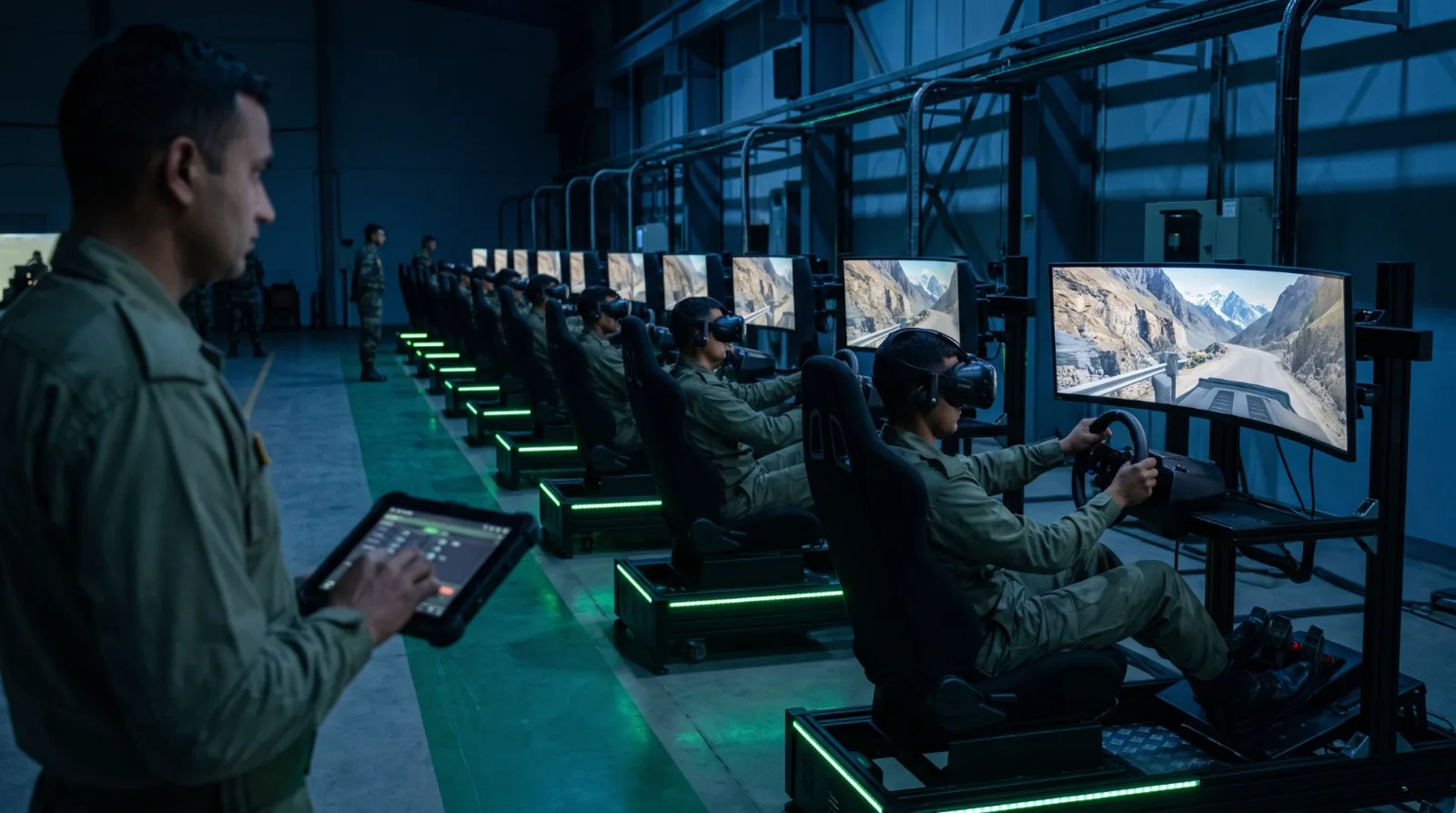
Why the Indian Army Is Moving More Training Into Simulators
From a VR aerial delivery simulator in Agra to a new Combat Training Network, simulation is becoming standard in Indian military training. What is driving it.
Read the article →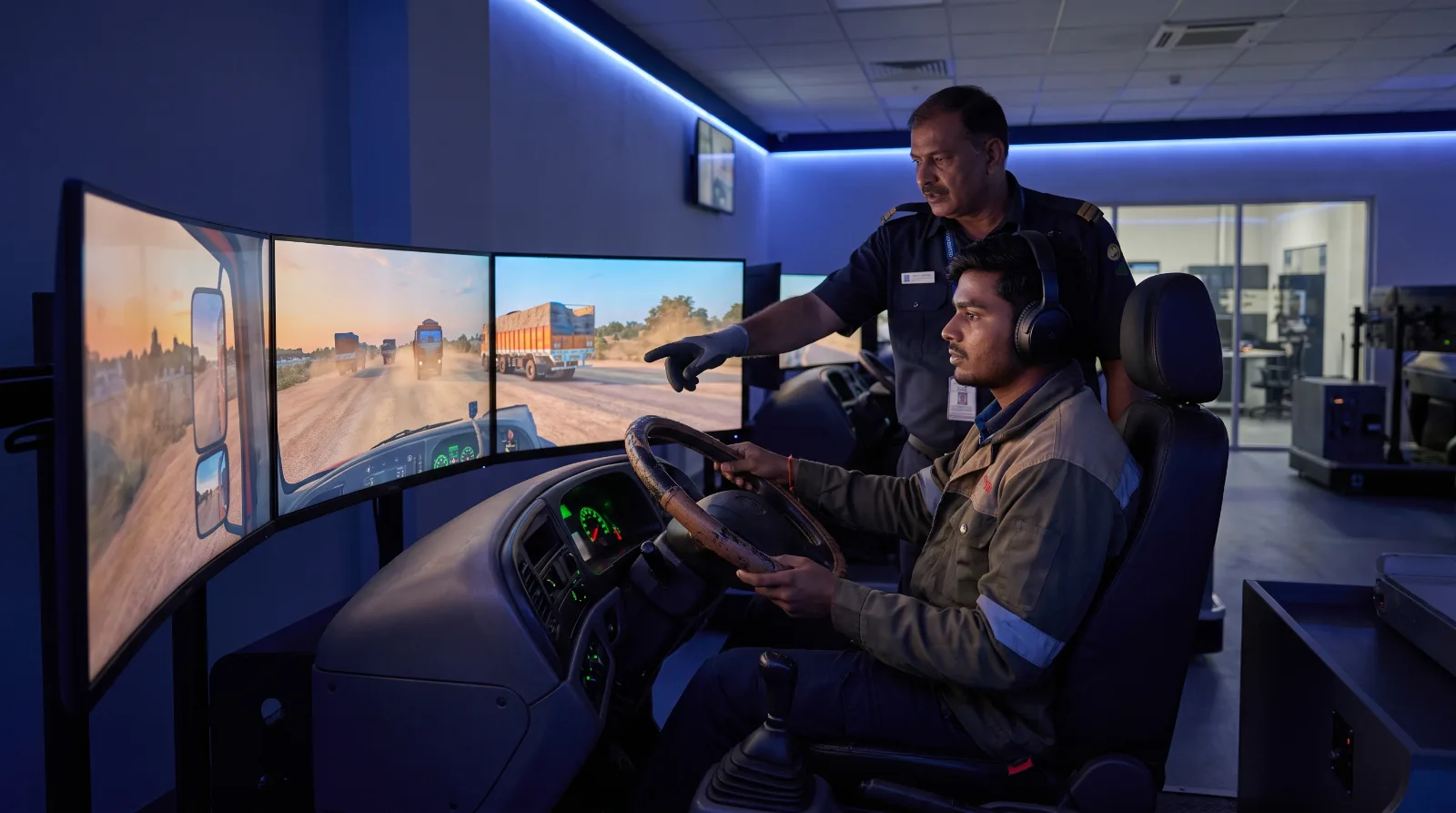
India Needs 22 Lakh Skilled Drivers. Where Simulators Fit
With a 22 lakh skilled driver gap and 1,600 new driving training institutes planned, simulators are moving into mainstream heavy vehicle driver training.
Read the article →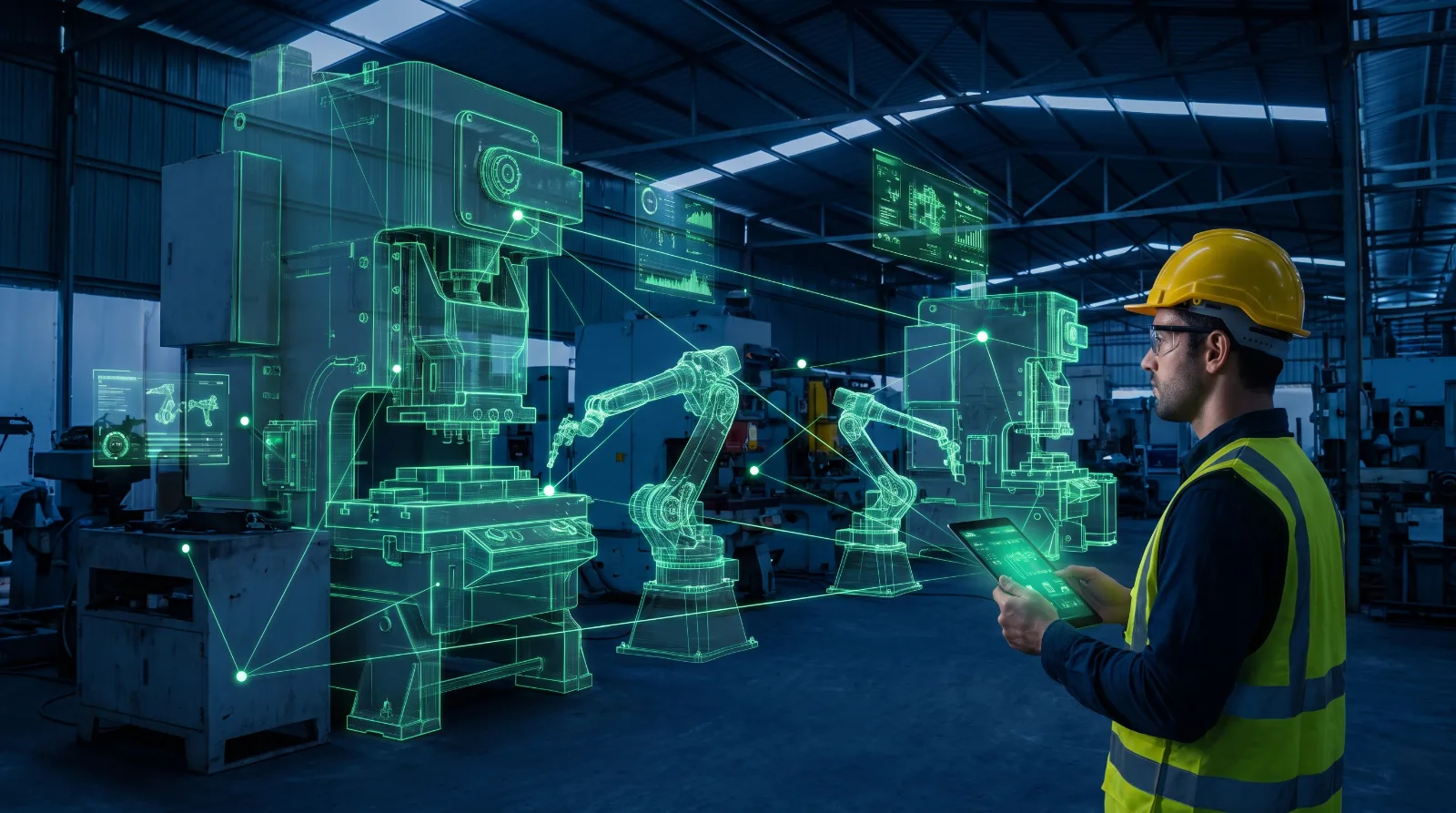
Digital Twins in 2026: From 3D Model to Live, AI-Driven System
A digital twin used to mean a detailed 3D model. In 2026 the value is in live data and analytics on top of it. What changed, and what it means for industry.
Read the article →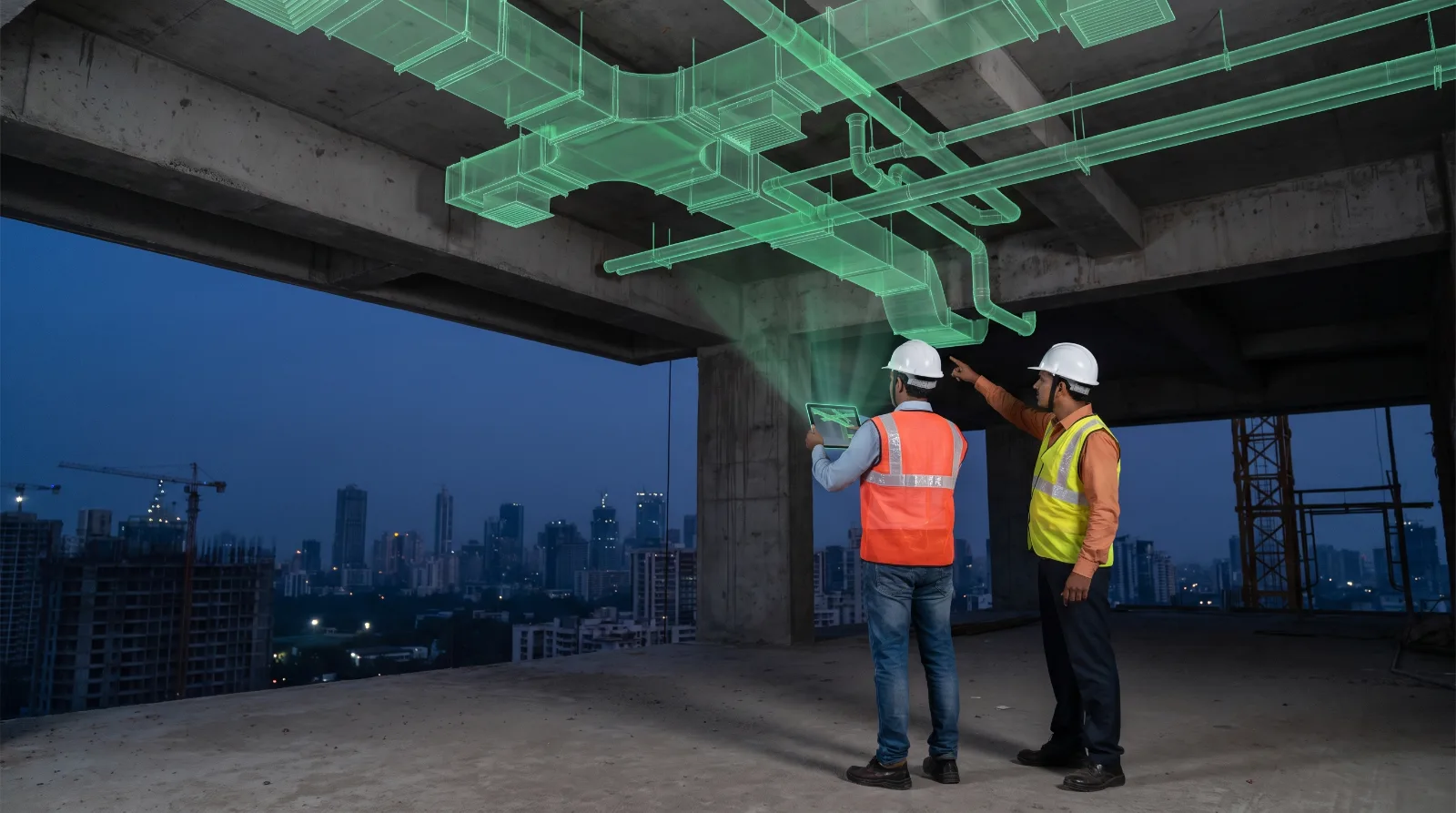
BIM in India in 2026: What Is Actually Required, and Where AR Fits
BIM is growing fast on Indian metro, airport and smart city projects, but many mandate claims are overstated. A clear view, and how AR takes the model to site.
Read the article →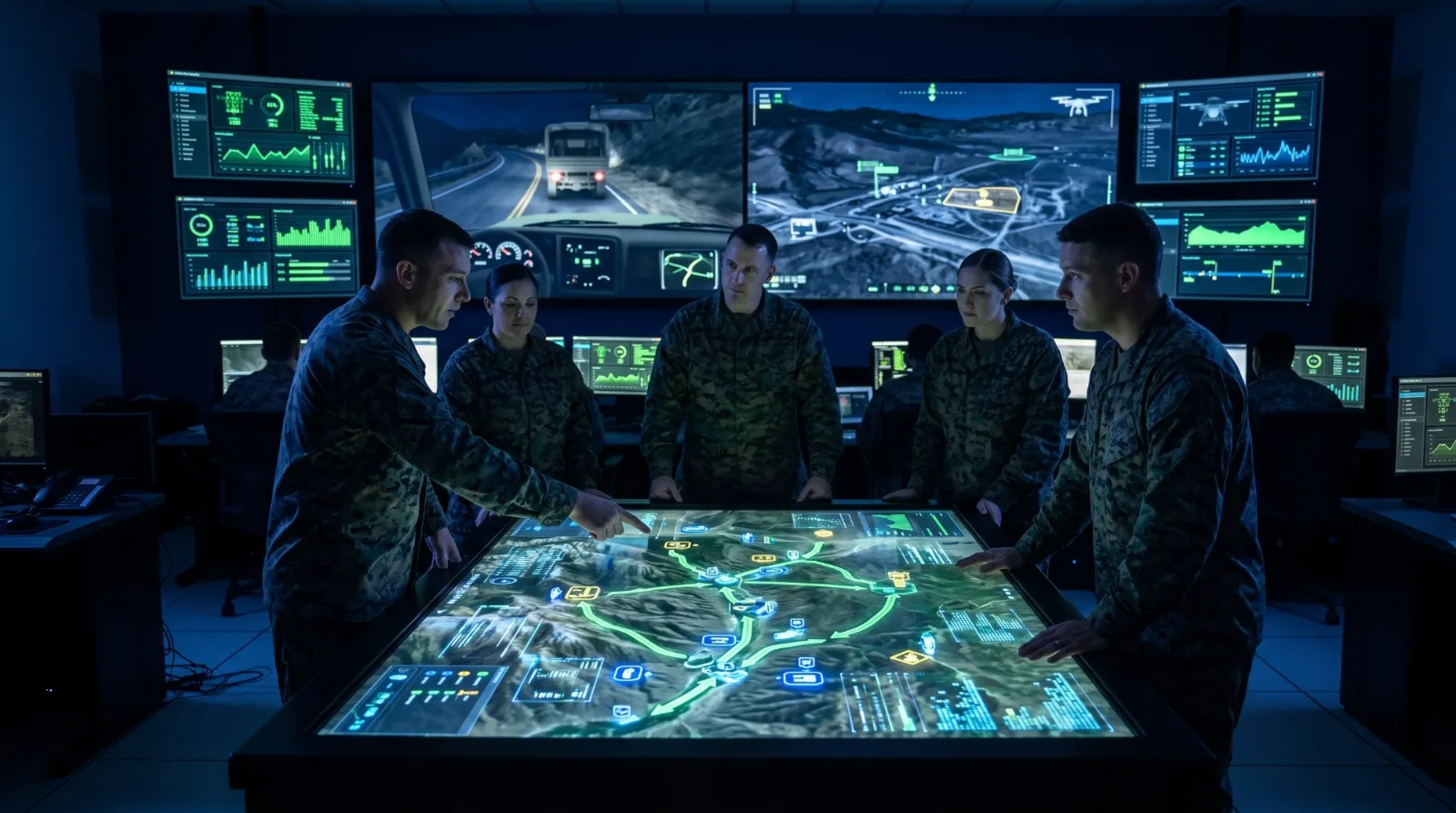
Live, Virtual, Constructive Training Explained
LVC training links real soldiers, simulators and computer-generated forces into one exercise. What each part means and why it matters now.
Read the article →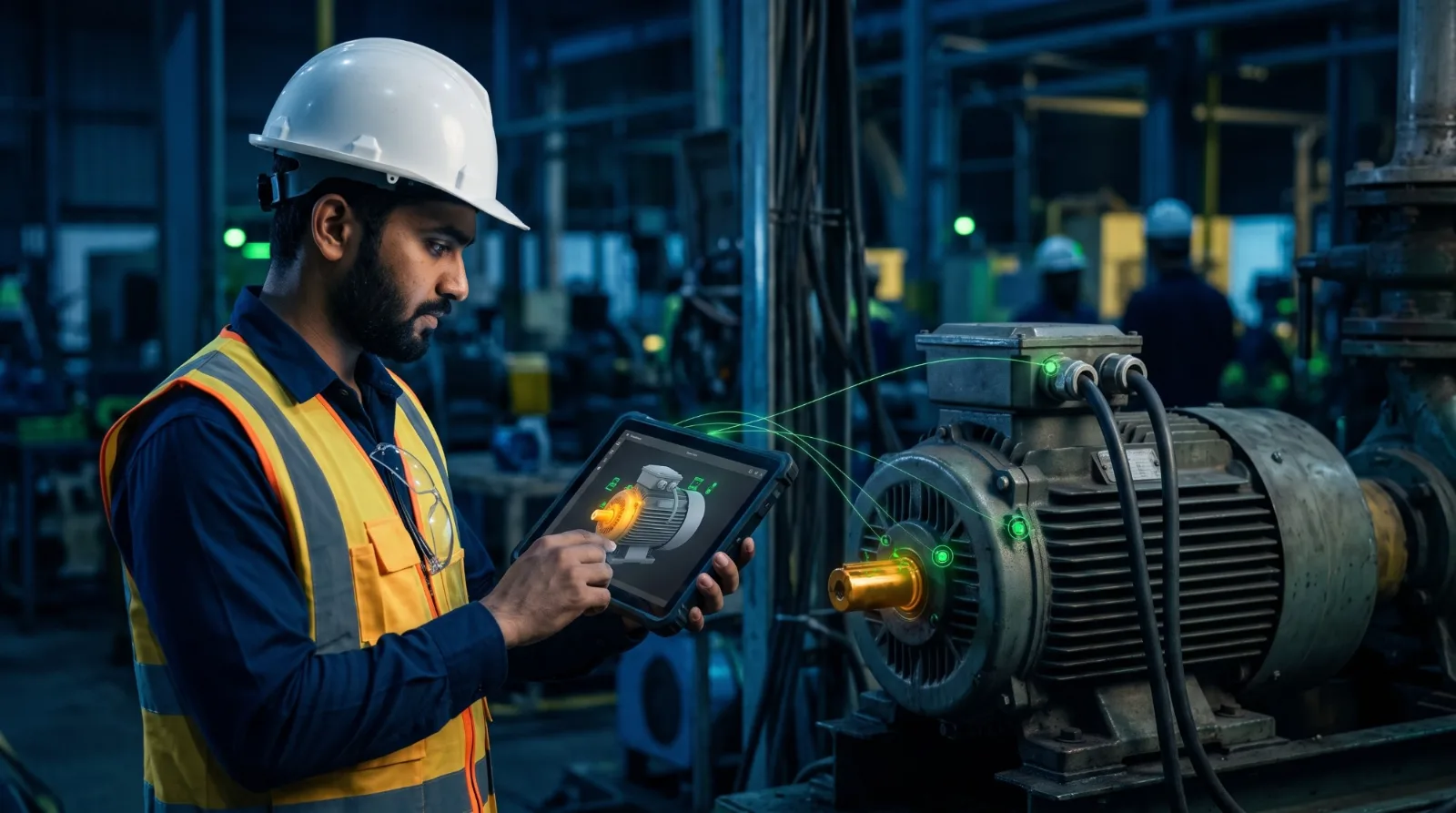
Predictive Maintenance With an IoT Digital Twin: A Practical Start
Predictive maintenance is the most common reason plants build a digital twin. A step-by-step way to start small, prove value and scale.
Read the article →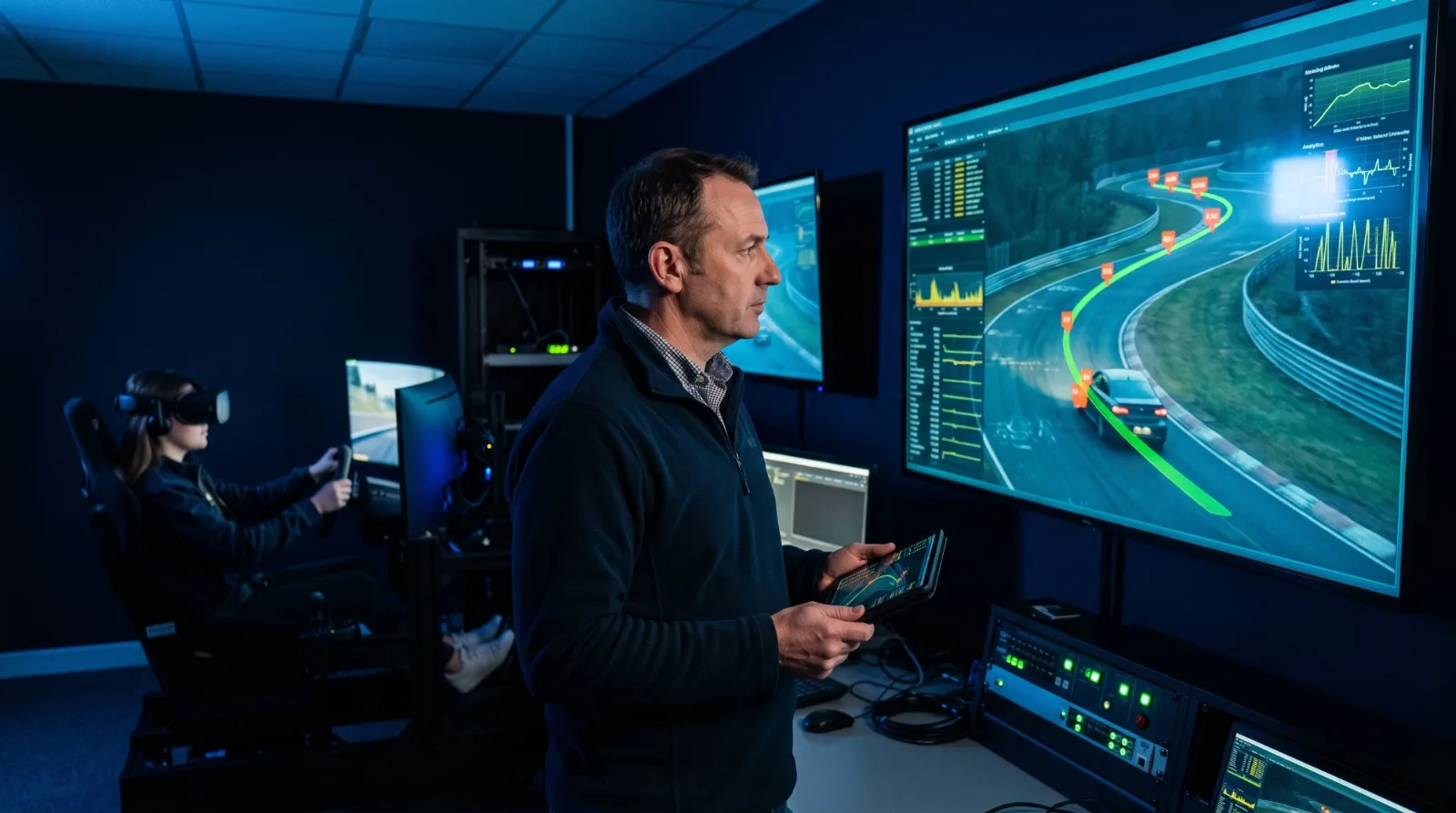
AI Meets XR: What It Means for Simulation Training
The convergence of AI and extended reality is the defining XR trend of 2026. What it changes for simulators, instructors and trainees, and what it does not.
Read the article →See it working on real hardware.
Book a live demonstration at T-Hub in Hyderabad or on-site.